Pedagogy

Setting? Seriously? We Need to Think Bigger and Ask the Better Question

When a study blows up there is a temptation to flatten it into one bullet point. What frustrates me about the latest headlines proclaiming that setting “does not hamper progress” is not simply the conclusion itself, but the astonishing narrowness of what is being measured to rationalise a system that stratifies children. A slight increase […]

Setting? Seriously? We Need to Think Bigger and Ask the Better Question Read More »

Retaining Complexity: Challenging Students Without Compromise

A close friend of mine, an English teacher who possesses the extraordinary power of making literature feel vibrant and dynamic, once inherited a notoriously boisterous Year 9 class. They were labelled underachievers, the kind of class that staffroom lore had already written off. The prevailing advice was to keep things simple with them. Choose “accessible”

Retaining Complexity: Challenging Students Without Compromise Read More »

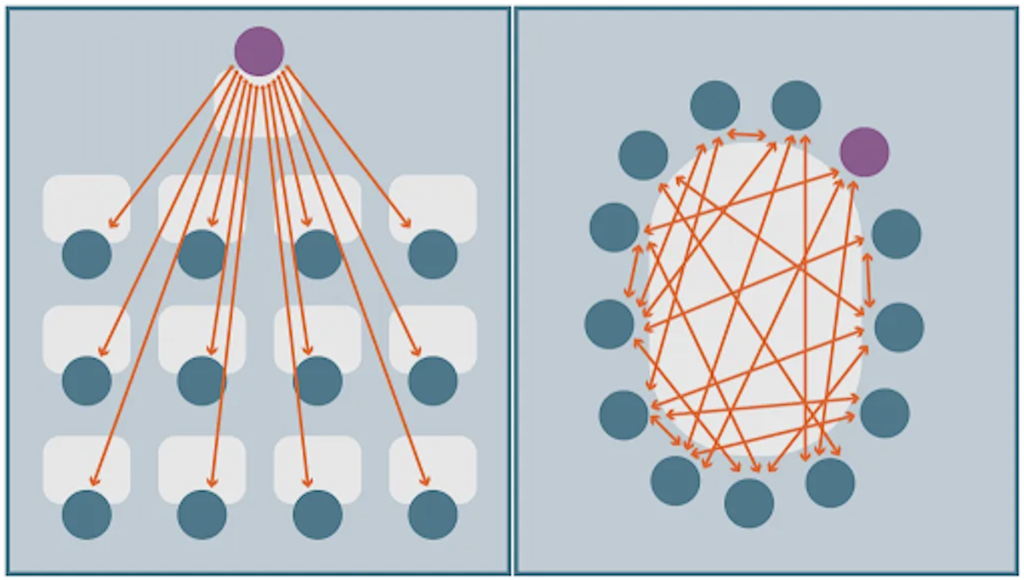
The Harkness Discussion Method: Revolution, Relationships and the Power of the Pause

It began with a chance encounter. In the late 1920s, Ned Harkness, a shy boy who had grown up longing for classrooms where he could think aloud without fear, boarded a train that would change the trajectory of American education. By luck, he met Dr Lewis Perry, the principal of Phillips Exeter Academy. Curious about

The Harkness Discussion Method: Revolution, Relationships and the Power of the Pause Read More »

Adaptive Teaching with Magnificiently Designed Scaffolds

Adaptive teaching relies on scaffolds. In fact, Alex Quigley has written about how necessary they are as part of the 4 S’s of Adaptive Teaching- Scaffolds, Scale, Structure and Style. Let’s explore further how we can best create and deploy scaffolds that enhance adaptive teaching. We do not want to fall into the trap of

Adaptive Teaching with Magnificiently Designed Scaffolds Read More »